

Specialists in Men's Health
Personalised Treatment Plans
Doctor-led Assessment
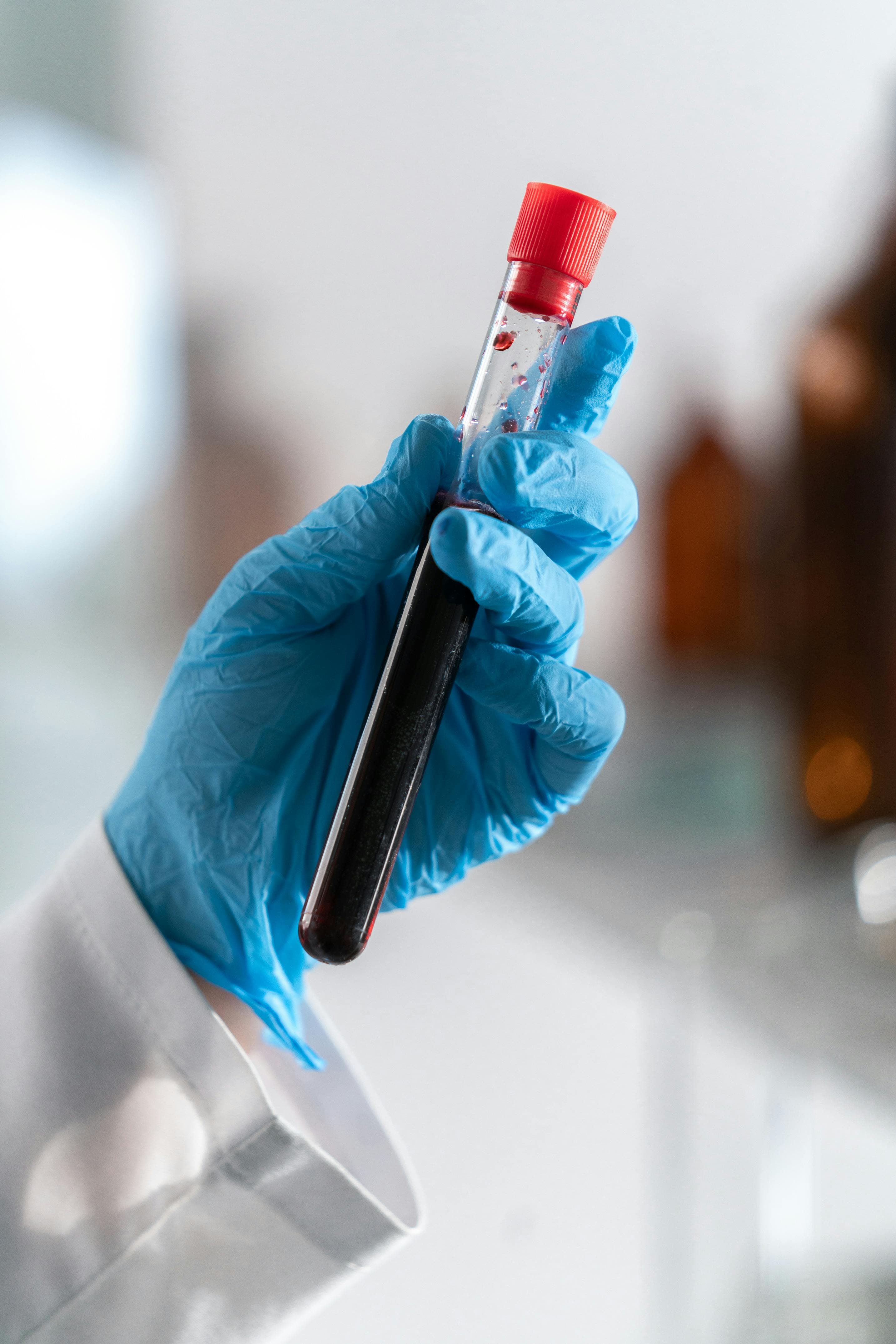
Comprehensive Blood Tests
Specialists in Men's Health
Personalised Treatment Plans
Doctor-led Assessment
Comprehensive Blood Tests
What is testosterone replacement therapy or TRT?
TRT, or Testosterone Replacement Therapy, is a medical treatment designed to help men with low testosterone levels restore their hormone balance. Because testosterone affects almost every system in the body, TRT is a long-term therapy that requires strict medical oversight.
As men age, or due to certain medical conditions, testosterone levels can decline and, for some men, fall below a healthy level, leading to symptoms such as fatigue, low libido, reduced motivation, difficulty building muscle and changes in mood. TRT works by replacing the testosterone your body is no longer producing in sufficient amounts.
Blood tests to confirm low testosterone levels and a clinical assessment are typically required to determine whether TRT is the right treatment option for you.

Low Testosterone – Where Did My Mojo Go?
When things don’t feel quite as they used to, it’s easy to put it down to stress, ageing, or a busy life.
Testosterone deficiency is a recognised medical condition — and it can affect men at different stages of life.
Low testosterone can affect how men feel and function. Not all men experience symptoms, but for some the changes come on gradually and are hard to define — just a sense that things aren’t quite as they used to be.
Some men feel more tired or irritable, notice a drop in motivation or enthusiasm, or struggle with concentration or sleep. Others may experience changes such as weight gain, reduced sex drive, or erectile difficulties. For some, confidence and overall sense of wellbeing are also affected.
And yet, many men do nothing about it. Even when they seek help, symptoms are sometimes not fully explored or are attributed to normal ageing.
Testosterone deficiency does exist, and when present it can have a meaningful impact — not just on the individual, but often on partners and family as well. Changes in energy, mood, sex drive, and engagement are frequently noticed by those closest to them.
At H3 Health, we provide doctor-led assessment and treatment for low testosterone (testosterone deficiency), including testosterone replacement therapy (TRT) where appropriate, with a careful and evidence-based approach.
Testosterone is the main male sex hormone and plays an important role in muscle strength, sex drive, energy levels, mood, and overall wellbeing. It also contributes to bone density, metabolic health, and cardiovascular function.
Testosterone deficiency (often referred to as “low testosterone” or “low T”) occurs when testosterone levels are lower than expected and are associated with symptoms that affect health or daily functioning.
Men can be born with low testosterone or develop it later in life. Testosterone levels may decline gradually with age, although this varies between individuals. In some men, low testosterone occurs for other reasons that require careful medical assessment.
Symptoms vary between individuals and are not specific to testosterone deficiency. They may develop gradually and can be difficult to define.
Commonly reported symptoms include:
- Low energy or fatigue
- Reduced libido
- Erectile difficulties
- Low mood or irritability
- Reduced motivation or “brain fog”
- Poor sleep
- Changes in body composition
Low testosterone can develop for a variety of reasons, and often more than one factor is involved.
Testosterone levels may decline gradually with age, particularly through midlife, although many men maintain normal levels throughout their lives. In others, low testosterone may occur without a clearly identifiable cause.
Contributing factors can include excess weight, poor sleep, stress, underlying medical conditions, certain medications, and lifestyle factors such as alcohol use or low levels of physical activity.
At H3 Health, we assess testosterone levels in context, including identifying potentially reversible factors before considering treatment.
Testosterone levels tend to decline gradually from around the age of 30–35, typically by around one to two percent per year, although this varies between individuals.
Free testosterone — the biologically active form — often declines more significantly with age.
Some studies suggest that a proportion of men may have lower-than-expected testosterone levels, although not all men with low levels will experience symptoms or require treatment.
Diagnosis is made in line with established clinical guidelines, including those of the British Society for Sexual Medicine (BSSM).
This requires:
- The presence of relevant symptoms, and
- Consistently low testosterone levels confirmed on two separate blood tests
Blood tests are typically performed in the morning, when testosterone levels are most reliable, and are interpreted in the context of the individual.
Testosterone replacement therapy (TRT) may be considered where there is a clear clinical indication.
Treatment is not appropriate for everyone and is only offered following careful assessment, confirmation of diagnosis, and consideration of contributing or reversible factors.
Where indicated, TRT can help improve symptoms such as energy, mood, libido, and overall wellbeing.
Treatment options may include testosterone gels, creams, or injections. The most appropriate option is discussed and agreed with you based on your individual needs and preferences.
More than just testosterone replacement
You don’t have to simply accept feeling below your usual baseline.
At H3 Health, we assess every patient as an individual. We take time to understand symptoms in context and to investigate potential underlying causes, including sleep, stress, weight, lifestyle, and overall health.
Testosterone replacement therapy is only offered where there is a clear clinical indication and where other contributing or reversible causes have been appropriately considered.
Where treatment is prescribed, it is carefully monitored with appropriate follow-up to support safety, effectiveness, and long-term wellbeing.
The aim isn’t just to change a blood test result — it’s to help you feel better, function better, and regain your sense of wellbeing.
How Testosterone Care works at H3 Health
Initial doctor consultation

You start with a consultation with an H3 doctor to discuss your symptoms, concerns, medical history, and health goals. This allows your doctor to assess whether testosterone deficiency is a possible explanation and whether blood testing is appropriate.
Initial blood testing
If indicated, a comprehensive venous blood test is arranged, including testosterone and related markers.
Blood tests are usually performed in the morning.
Review results and discuss potential treatment options
Your doctor reviews your initial blood test results, explains what they mean in the context of your symptoms, and discusses whether testosterone deficiency is a possibility. If appropriate, the next steps and potential treatment options are outlined.
Confirm diagnosis and begin treatment
A second blood test is used to confirm the diagnosis. Once confirmed, your agreed treatment plan is activated and your medication is issued, together with information on starting treatment and ongoing monitoring.
Ongoing monitoring and follow-up
Follow-up is arranged to ensure safety and effectiveness — typically at three months, six months, and then every six to twelve months.
What's Included & Costs
H3 Health operates a transparent, pay-as-you-go pricing model with no subscriptions or monthly membership fees. You only pay for the care you need.
___________________________________________________________________________
🩺 Getting Started Costs
- Initial consultation – £195
- Initial blood test (home or clinic) – £230 / £220
- Results & treatment consultation – £175
- Confirmatory blood test (usually required) – From £50
🔄 Ongoing Care Costs
Follow-up is usually recommended at 3 months, 6 months, and then every 6–12 months.
- Review consultation – £175
- Monitoring blood test (home or clinic) – £180 / £170
💊 Medication
- Supplied by our partner pharmacy and paid for separately.
- Medication costs vary depending on the treatment prescribed and dosage.
- No H3 fee for issuing prescriptions or repeat prescriptions.
Think You May Have Low Testosterone?
If you feel you might have low testosterone, use our ADAM (Androgen Deficiency in the Ageing Male) test which will indicate if you may have testosterone deficiency.





Frequently Asked Questions About Testosterone Deficiency
Symptoms can include low energy, reduced libido, erectile difficulties, low mood, irritability, anxiety, brain fog, reduced motivation, and changes in body composition.
Testosterone is assessed using a venous blood test, usually performed in the morning.
Yes. A diagnosis requires low testosterone levels to be confirmed on two separate blood tests, alongside relevant symptoms.
Yes. Your doctor can review existing results and advise whether further testing is needed.
No. Not all men with low testosterone require treatment.
When prescribed appropriately and monitored correctly, testosterone replacement therapy can be safe and effective. Monitoring is an essential part of care.
Typically at around three months and six months initially, then every six to twelve months.
Yes. All consultations are with GMC-registered doctors experienced in men’s health.
You can begin by booking an initial doctor consultation.
Let's chat — via a secure video consultation, at a time that suits you.
During your 30-minute consultation, an experienced H3 doctor will take the time to understand your symptoms, answer your questions and discuss whether further investigations or treatment are appropriate.
No GP referral is needed. Book your initial consultation online 24/7 using our secure booking system.